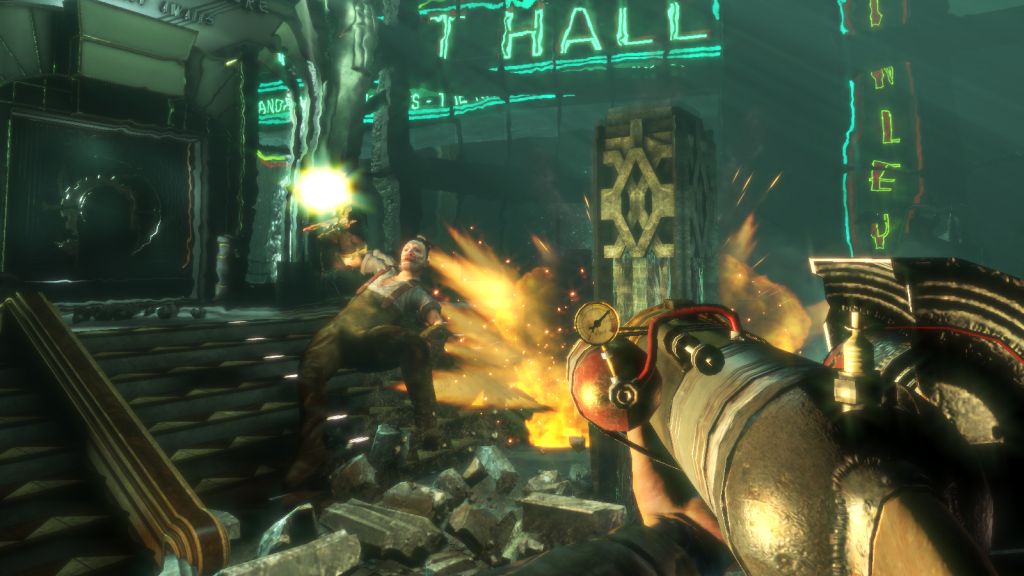
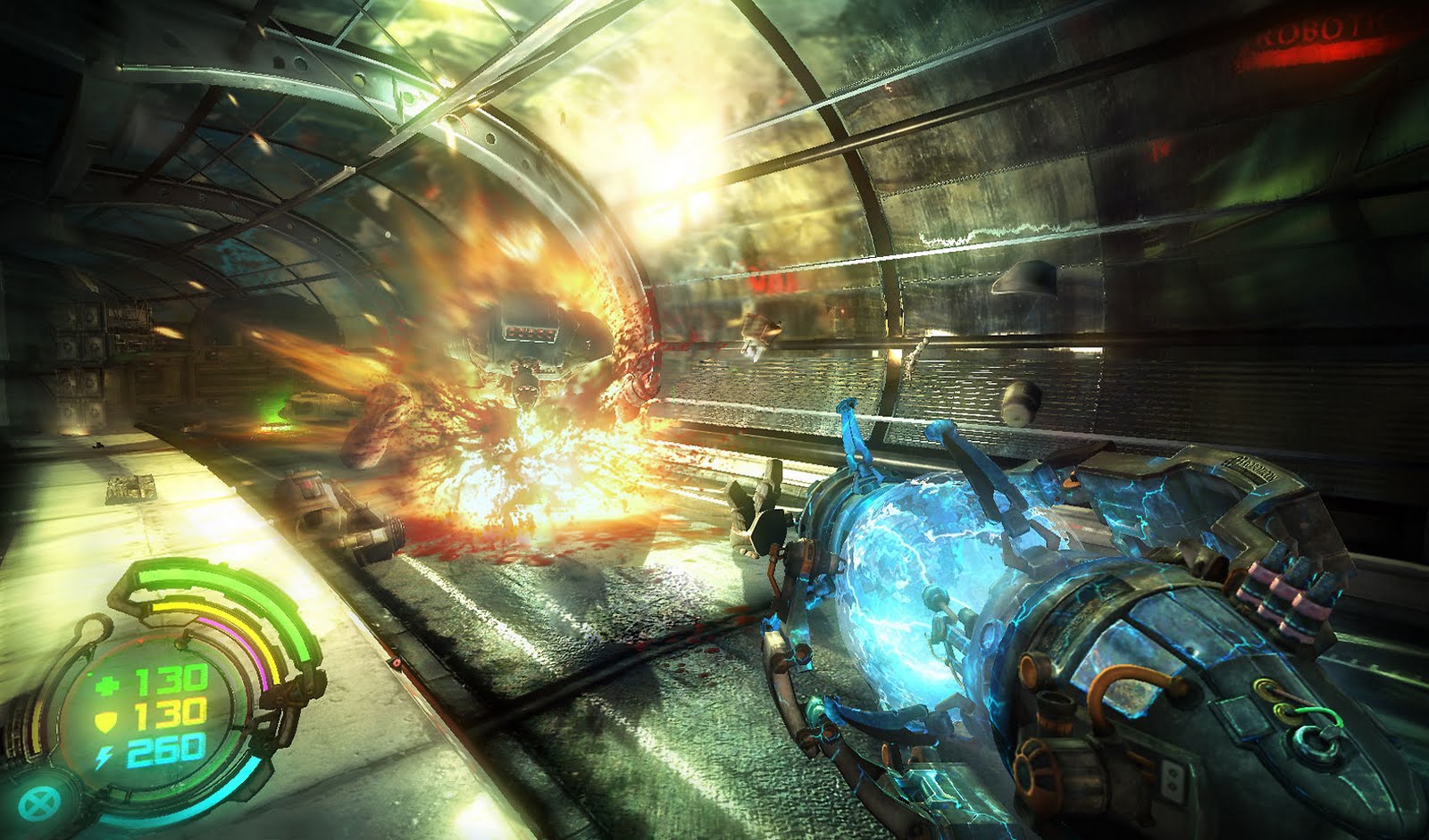
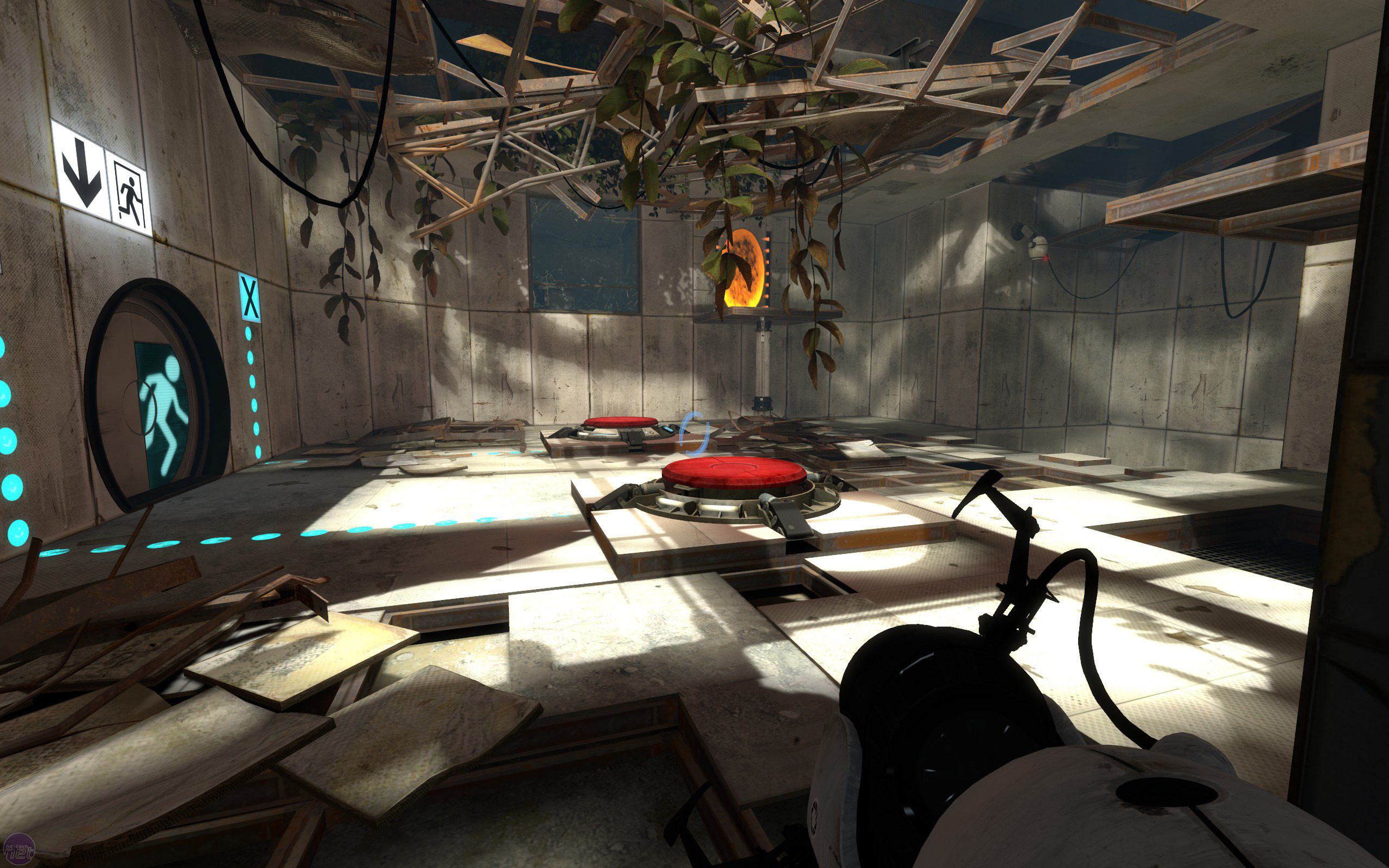
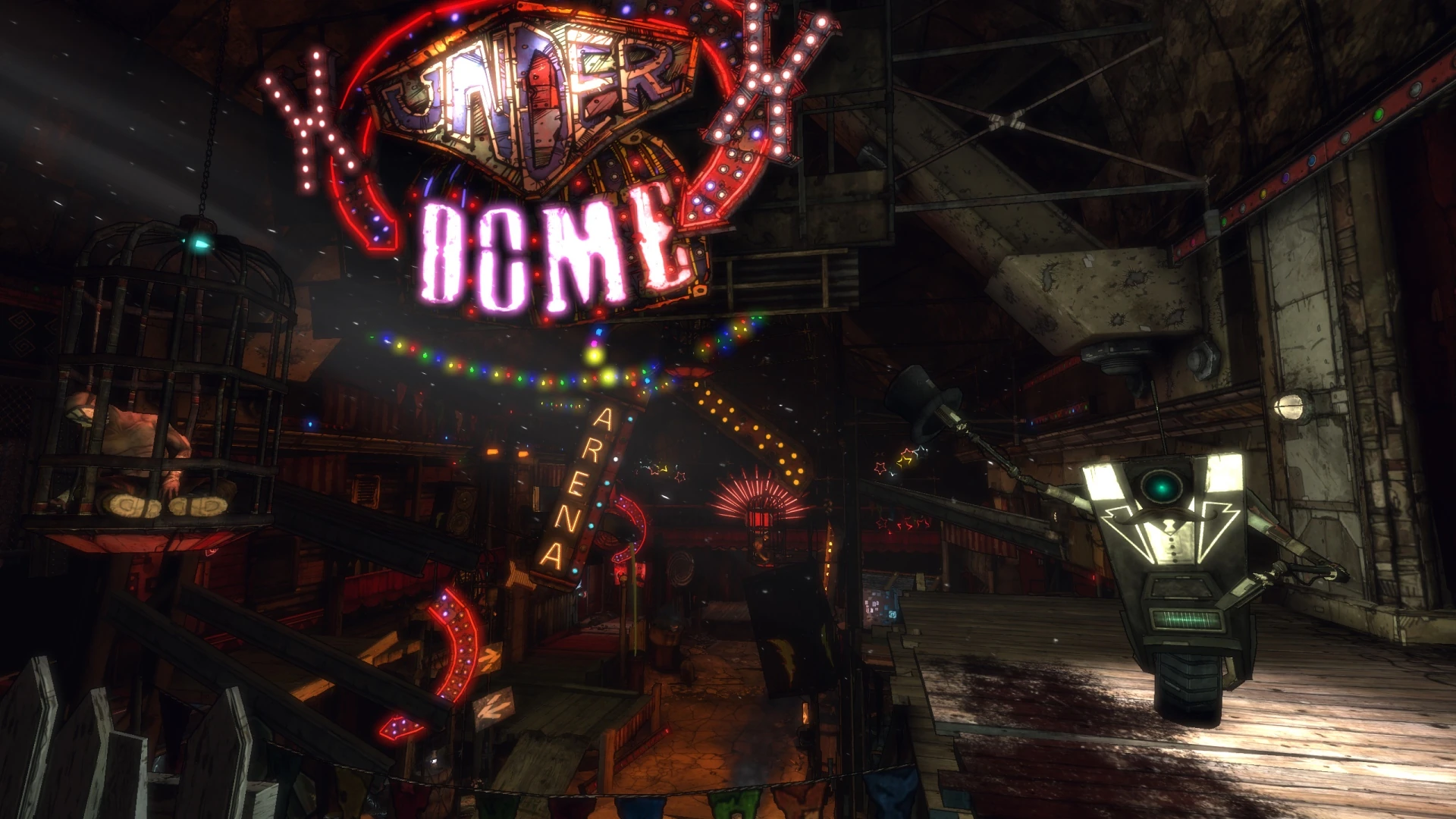
It's not about brown or gray or any specific color! (Well, Gears of War is a special case...)
It's about relative saturation. The less saturated your color palette, the more "realistic" it looks - giving the impression that it's all brown and gray even when the actual colors are of a range of hues and values.
Let's talk about this with examples.
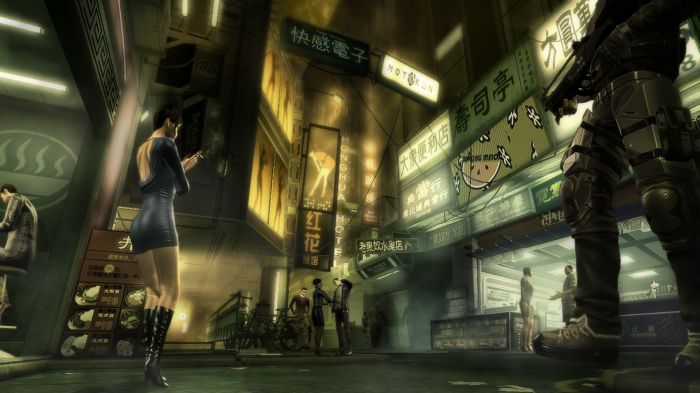
* Deus Ex is a hue-restricted game. It's mostly yellow. This is a stylistic choice, and works well in context, but gets old after a while.
* Mirror's Edge did the same thing, but for individual areas. The end result is style and variety at the cost of internal dissonance between areas. Going from red to blue to yellow to orange can be jarring.
* Thief (3) has a good range of hues and saturations (mostly high saturation, though), but stays mostly in the lower end of the value spectrum. This plays to the game's setting and atmosphere.
* World of Warcraft is fully saturated, almost all the time. It also tends to stick to a single value region - bright or dark, no real in-between. Again, stylistic choice, but it doesn't work for some people (myself included)
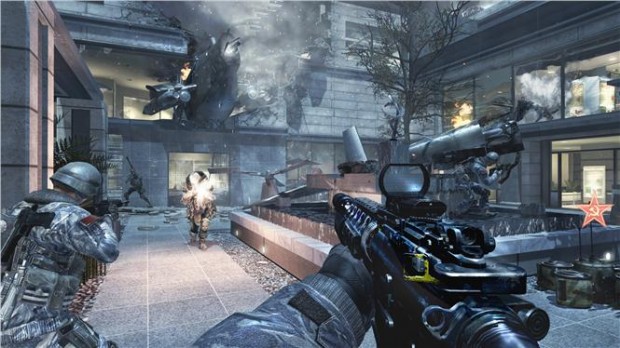
* CoD has low saturation throughout. Its greens are mostly gray-green; its reds dark or dull. It does OK on hue and value, though.
Real life, meanwhile, varies by time of day and location. Most places are vivid and bright at midday, but dark and dull at dawn and dusk - an effect games seem determined to ignore.
Point being, there's room for everything. 'Cept WoW clones. They can go shoot themselves.
/mytwentytwocents